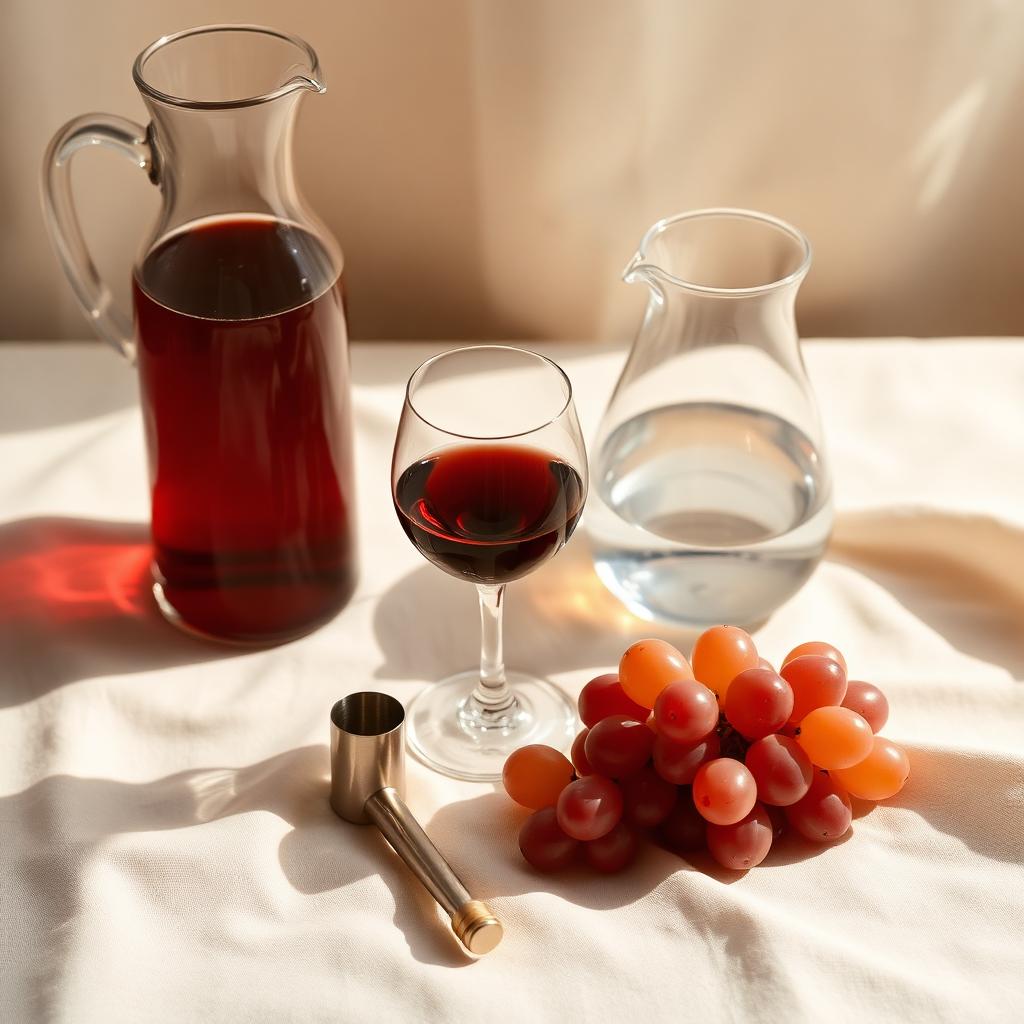
Learn to count what you are drinking, because pour size and ABV matter more than the label's romance.
The arithmetic
A UK unit is 10ml of pure alcohol. Multiply litres by ABV to get units: a 750ml bottle at 13% holds about 9.75 units. A 'large' 250ml glass of that wine is 3.25 units — a third of the bottle. US standard drinks are 14g of alcohol, roughly a 148ml (5oz) pour of 12% wine.
Guidelines, not verdicts
UK guidance is no more than 14 units a week for both sexes, spread over three or more days, with drink-free days. US dietary guidelines suggest up to one drink a day for women and two for men. The WHO's position is blunter: no level of alcohol consumption is entirely risk-free.
The 'red wine is healthy' story
Early studies suggested moderate drinkers lived longer, but much of that gap came from comparing drinkers with ex-drinkers who had quit for health reasons. Newer analyses correcting for that abstainer bias find the protective effect largely disappears. Resveratrol doses used in lab studies far exceed what any bottle delivers.
Where wine genuinely helps
The defensible claim is about how it is drunk: small pours, with food, slowly, in company. That pattern reduces peak blood alcohol and pairs drinking with eating. Wine school is a good excuse to spit, share bottles and finish the evening with water.
- 1. Calculate the units in your last bottle, then in a 175ml glass of it.Hint: Litres × ABV = units. 0.75 × 13 = 9.75; a 175ml pour is 2.3 units.
- 2. Pour what you think is 125ml, then measure it.Hint: Most people overpour by 30–50%, especially into a large-bowled glass.
- 3. Pick two bottles that differ by 3% ABV and compare the units per glass.Hint: 11% versus 14% is roughly a 27% difference in alcohol for the same pour.